There's a name for the thing a lot of people in their twenties and thirties are feeling: the friendship recession. Adults have fewer close friends than they used to, see the ones they have less often, and spend more evenings alone than they'd like.
It's easy to file that under "American problem" and move on. Vancouver has its own numbers, and they're not better.
What the numbers say
In 2012, the Vancouver Foundation surveyed 3,841 people across Metro Vancouver about their connections. Two findings stood out (Connections and Engagement):
- A third of people said it was difficult to make new friends here.
- One in four said they were alone more often than they would like.
The people who felt it most were not who you might guess. Those aged 24 to 34 reported being alone more than older groups. People who had been in Canada, or in their neighbourhood, for fewer than five years found it hardest to make friends. People living in basement suites reported more loneliness too. In other words: the young, the new and the renters. That's a lot of this city.
The wider picture points the same way. Nick Gray, who writes about this at friendshiprecession.com, collects the research. Citing the American Time Use Survey, he reports people spending about 34 minutes a day with friends, down from 60 in 2003 (source). Citing the Survey Center on American Life, he reports the share of men with six or more close friends falling from 55% in 1990 to 27% (source). In 2023 the US Surgeon General issued an advisory on loneliness and isolation, comparing the health risk to smoking.
Canada isn't the US, and 2012 isn't today. But nobody who has moved to Vancouver in the last decade will be surprised that a third of people find it hard to make friends here.
Why it's hard
A few reasons come up again and again.
Friendship takes time, and time got scarce. Jeffrey Hall at the University of Kansas found it takes about 50 hours together to go from acquaintance to casual friend, around 90 to become friends, and more than 200 to become close friends (KU News). Work, commutes and rent eat those hours.
One-off events don't add up. A great conversation at a party is two hours. If you never see that person again, you start over next week.
Nobody wants to be the one who asks. Most people are waiting for an invitation. When everyone waits, nobody gets invited.
Screens fill the gaps. Watching friends' stories feels like contact. It isn't the same as being in a room with them.
What helps
The good news is that the fixes are small, practical and in reach this week.
Go to the same thing, every week
This is the big one. A weekly run club, class, league or book club gets you hours with the same people without anyone having to plan. It's the only realistic way to get to 50 hours with someone as an adult. We call these repeat rooms, and they're what we lean toward when someone tells us they want to meet people.
On soon, from Remi’s run clubs list
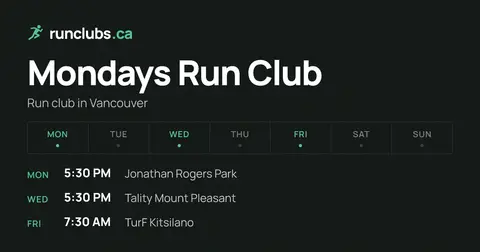
Fri Nov 20 · 7:30a
Mondays Run Club: MRC x TurF
every Friday
TurF Kitsilano · free
A free run club, with meeting people listed as part of the appeal.
Choose small and structured
A stadium is a great night with friends you have. It's a terrible place to meet new ones. For meeting people, look for small groups with something to do: a dance class that rotates partners, a supper club, a workshop, a trivia team. Structure gives you something to talk about, so you don't need an opener.
Make the second move
Groups are where you meet people. One-on-one time is where you become friends. When you click with someone at your run club or class, suggest one specific thing: a coffee after next week's session, a show on Friday. That small step is where most potential friendships quietly die, because nobody takes it.
Be the one who invites
Gray's point is simple: we like people who like us, so showing interest first isn't a risk. Invite one person to the next thing you're already going to. Start a group chat for your Tuesday regulars. Host six people for dinner. If you build a standing plan, like first-Thursday trivia, nobody ever has to organise it again.
Keep it in person
Gray also points to research from the University of British Columbia linking face-to-face time with friends at least once a week to better physical and mental health (friendshiprecession.com). Group chats keep people in your life between meetups. They don't replace them.
Why we're building Remi
Remi exists because of this. It's a texting friend for Vancouver that finds you things to do, and if you say you want to meet people, it leans toward the rooms that repeat, reminds you to go back, and makes the invite to a friend easy to send. It can't make friends for you. It can make showing up, week after week, a lot easier.
If you want the practical version of this post, read our guide on how to make friends in Vancouver.